Unpacking the role of privacy policies in shaping live casino player verification flows
Geschrieben von Elena Krüger · 30.10.2026
Unpacking the role of privacy policies in shaping live casino player verification flows
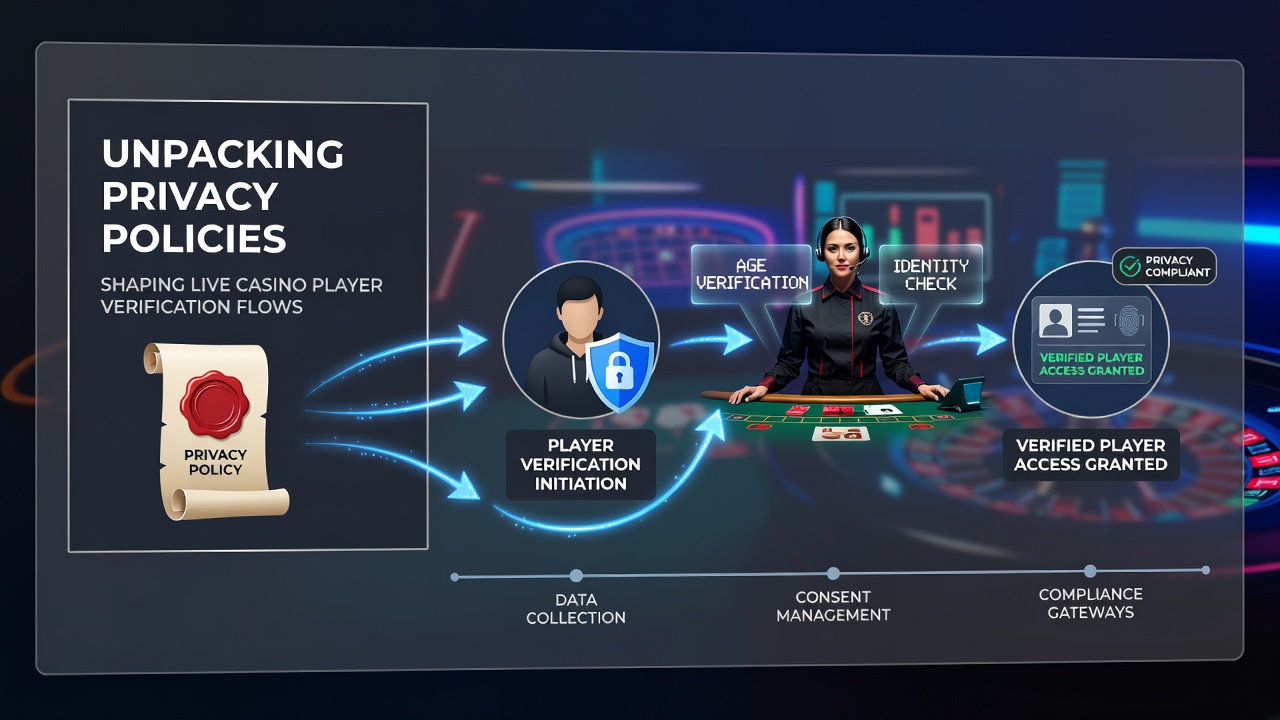
Privacy policies establish the boundaries for how live casino operators collect, store, and process player information during verification, and these documents directly influence the sequence of steps that users encounter when signing up or logging into real-time table games. Operators must align verification flows with data protection rules that limit unnecessary collection while still meeting age verification and anti-money laundering requirements, which creates structured pathways that prioritize explicit consent at each stage.
Regulatory Foundations Driving Verification Design
Data protection regulations such as the General Data Protection Regulation set minimum standards for transparency and user control, which means live casino platforms configure verification screens to present clear notices before requesting identity documents or biometric data. Austrian platforms operating under national implementation of these rules integrate policy summaries into the initial onboarding process, ensuring that players receive details about retention periods and third-party sharing before any personal identifiers enter the system. Observers note that this approach reduces later disputes because the policy language appears alongside the actual data fields rather than in a separate document accessed only after submission.
Studies from European regulatory bodies indicate that verification sequences incorporating policy excerpts achieve higher completion rates when the language specifies exactly which data points serve compliance purposes versus marketing functions. In October 2026, updates to cross-border data transfer protocols are scheduled to take effect across EU member states, prompting operators to revise verification flows so that players can select storage locations before submitting passport scans or address proofs for live dealer sessions.
Consent Mechanisms Embedded in Player Onboarding
Live casino verification flows typically present layered consent options that correspond to different categories outlined in privacy policies, allowing users to approve identity checks separately from optional data uses such as game history tracking. This separation stems from requirements that prevent bundling consents, so platforms display toggles that let players proceed with mandatory verification while declining broader data processing. Researchers at academic institutions examining wagering platforms report that such modular designs correlate with fewer abandoned registrations because users retain visible control over the scope of information shared.
Operators integrate these controls into live environments by triggering policy refresh prompts when players access new game types, since verification data collected for one table game category might not automatically extend to others under the same privacy framework. The result appears in practice as sequential screens that reference the governing policy sections, guiding users through document uploads while displaying summaries of how each piece of information will be handled during real-time sessions.
Data Minimization Practices in Real-Time Settings
Privacy policies enforce data minimization principles that restrict verification to the smallest dataset necessary for regulatory compliance, which shapes live casino interfaces to request only essential fields such as government-issued ID numbers and proof of address rather than expansive personal histories. Platforms achieve this by embedding policy-derived checklists into the verification workflow, where each required item links back to a specific legal obligation listed in the document. Those who manage these systems observe that minimizing collected fields also streamlines backend processing, since excess data triggers additional storage and deletion protocols that increase operational overhead.
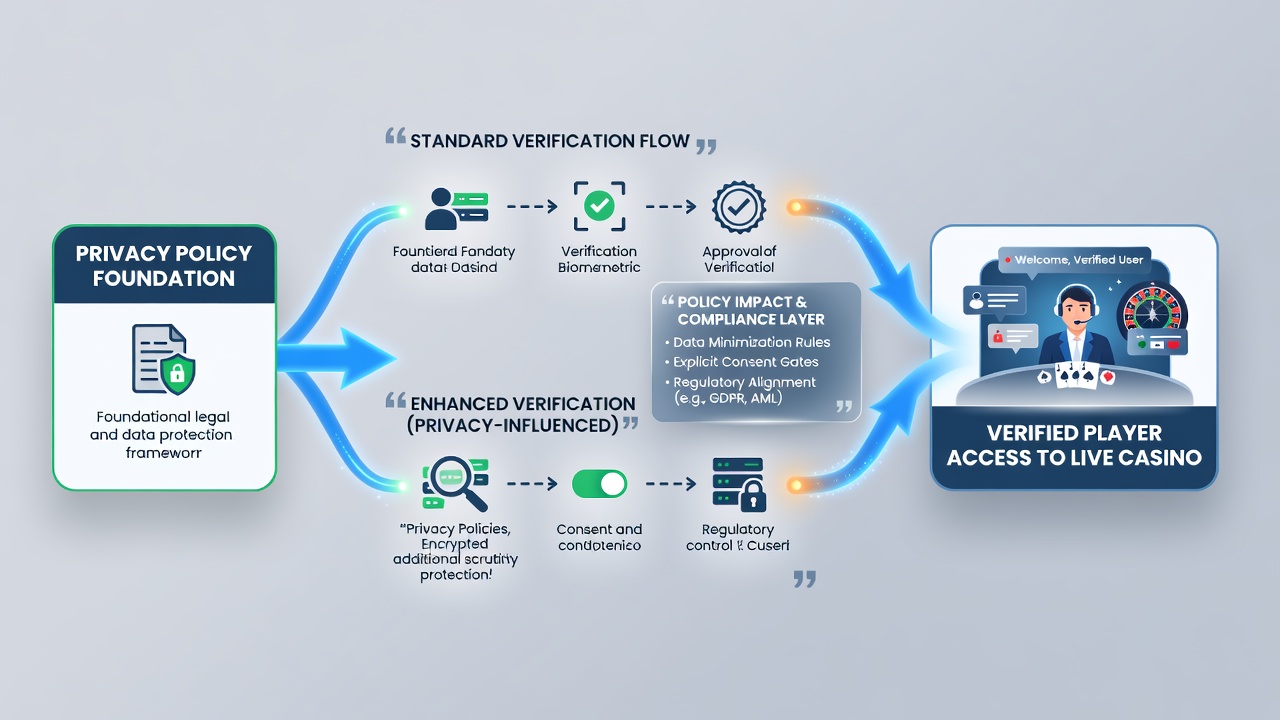
Industry reports from organizations like the European Gaming and Betting Association highlight how minimization rules affect live dealer platforms differently than static slot environments, because real-time sessions require ongoing verification of location and device data to maintain session integrity. Policies therefore specify time-bound collection windows, prompting systems to display expiration notices that remind players when previously verified details must be refreshed without retaining historical copies beyond the stated period.
Security Protocols Tied to Policy Commitments
Verification flows incorporate encryption standards and access controls that privacy policies commit operators to maintain, which translates into technical checkpoints displayed during the process such as secure upload portals and confirmation messages confirming data protection measures. These elements reassure users that submitted documents undergo processing consistent with the policy descriptions, and they also satisfy audit requirements from oversight bodies. Data from regulatory filings shows that platforms documenting these steps in verification interfaces encounter fewer compliance queries because the policy language matches the visible security features presented to players.
Cross-regional comparisons reveal variations, with Australian oversight bodies emphasizing consumer education within verification flows while Canadian provincial regulators focus on retention limits that appear as countdown timers in policy-linked interfaces. Such differences encourage operators with multi-jurisdictional licenses to customize verification sequences according to the dominant policy framework active in each market.
Conclusion
Privacy policies serve as the structural blueprint for live casino verification flows by dictating consent sequences, data scope, and security displays that players encounter at each step. As regulatory amendments approach in October 2026, platforms continue refining these pathways to maintain alignment with evolving standards while supporting uninterrupted access to live dealer environments. The integration of policy elements directly into verification screens ensures that compliance and user experience develop in tandem across Austrian and broader European markets.