Tracing Verification Protocols Across Multi-Game Wagering Sessions
Geschrieben von Iris Wolf · 18.9.2026
Tracing Verification Protocols Across Multi-Game Wagering Sessions
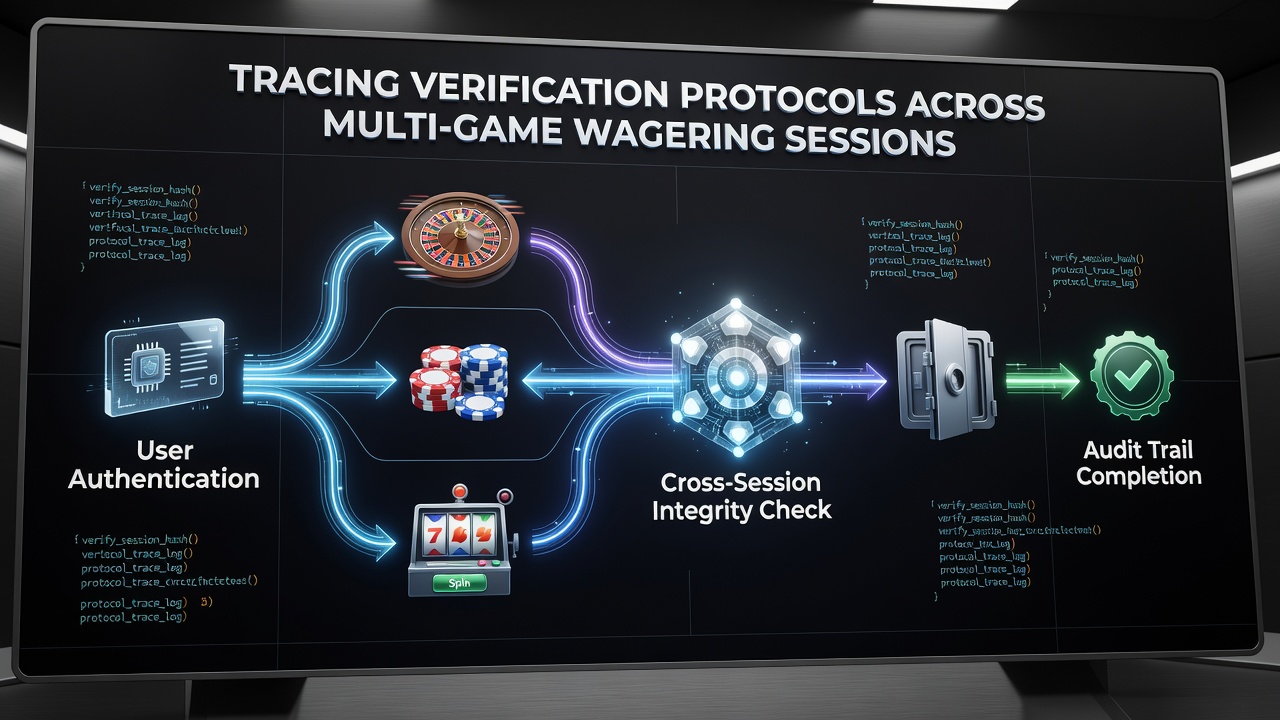
Verification protocols in multi-game wagering environments track user activity and transaction integrity as players move between different game categories during extended sessions, and these systems combine identity checks with real-time data logging to maintain consistency across sports betting interfaces, table games, and slot platforms. Operators deploy layered authentication steps that activate when a user switches from one game type to another, which ensures that account details and bet histories remain synchronized without interruption.
Core Elements of Session-Based Verification
Systems record entry and exit points for each game segment within a single wagering session, while cross-referencing timestamps and stake amounts against predefined risk thresholds; this approach allows platforms to flag discrepancies that might indicate unauthorized access or irregular patterns. Data from each segment feeds into a central ledger that updates continuously, and analysts review aggregated records to confirm that all wagers align with verified funding sources.
Integration Across Game Categories
Multi-game sessions often begin with sports event selections and transition into live dealer tables or digital reel spins, yet the verification layer remains active throughout these shifts by applying uniform encryption standards and session tokens. Researchers at the University of Nevada Reno Gaming Research Center have documented how token persistence prevents duplication of verification requests, which reduces latency when users change game environments mid-session.
Regulatory Context and September 2026 Updates
Austrian licensing authorities align their requirements with broader European standards that emphasize continuous monitoring, and new compliance modules scheduled for rollout in September 2026 will require enhanced logging of cross-game transitions to support audit trails. These modules build on existing frameworks by mandating automated alerts whenever cumulative stakes exceed session limits, while operators must demonstrate that verification data remains accessible for regulatory review within specified timeframes.
Implementation involves application programming interfaces that connect disparate game engines to a shared verification database, and this architecture supports simultaneous checks on player location, age confirmation, and financial limits across all active games. Platforms that operate under multiple jurisdictions coordinate these checks through standardized data formats, which simplifies reporting obligations when sessions span several regulatory zones.
Technical Tracing Mechanisms
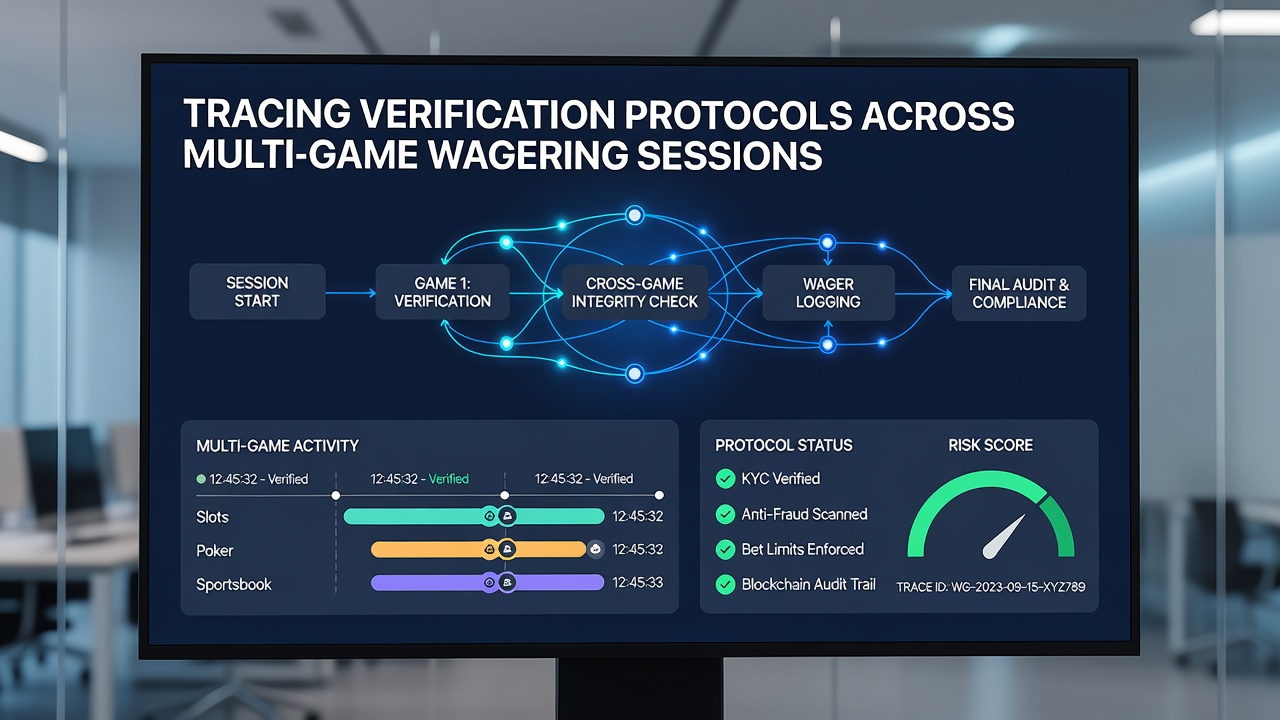
Hash-based identifiers attached to each wager allow reconstruction of the entire session path, and software agents monitor these identifiers for anomalies such as rapid game switches or inconsistent device signatures. When irregularities surface, teh system can isolate the affected segment without halting the broader session, which preserves user continuity while enabling targeted investigation.
Studies from the Australian Gambling Research Centre indicate that such tracing reduces reconciliation errors by approximately 37 percent compared with legacy batch-processing methods, and similar findings appear in reports issued by the Canadian Centre on Substance Use and Addiction. These improvements stem from real-time synchronization rather than post-session analysis, and they support quicker resolution of disputes arising from multi-game activity.
Practical Application in Operational Settings
Staff at licensed Austrian platforms receive training on interpreting verification dashboards that display session timelines, and these dashboards highlight transitions between game types with color-coded markers for quick assessment. When a player moves from fixed-odds sports markets into variable-return table games, the protocol automatically refreshes balance verification to prevent overdraft conditions during rapid betting sequences.
Industry associations such as the European Gaming and Betting Association publish guidelines that detail minimum data retention periods for traced sessions, and member organizations integrate these guidelines into their internal policy documents to maintain consistent standards across different operational scales.
Conclusion
Tracing verification protocols across multi-game wagering sessions relies on integrated logging, token persistence, and regulatory alignment to deliver accurate records of player activity. Continued refinement of these systems, particularly with the September 2026 compliance enhancements, supports reliable operation while meeting the demands of diverse game environments and jurisdictional requirements.