Linking Privacy Guidelines to Real-Time Poker and Casino Promotion Activations
Geschrieben von Alex Schmidt · 13.11.2026

Linking Privacy Guidelines to Real-Time Poker and Casino Promotion Activations
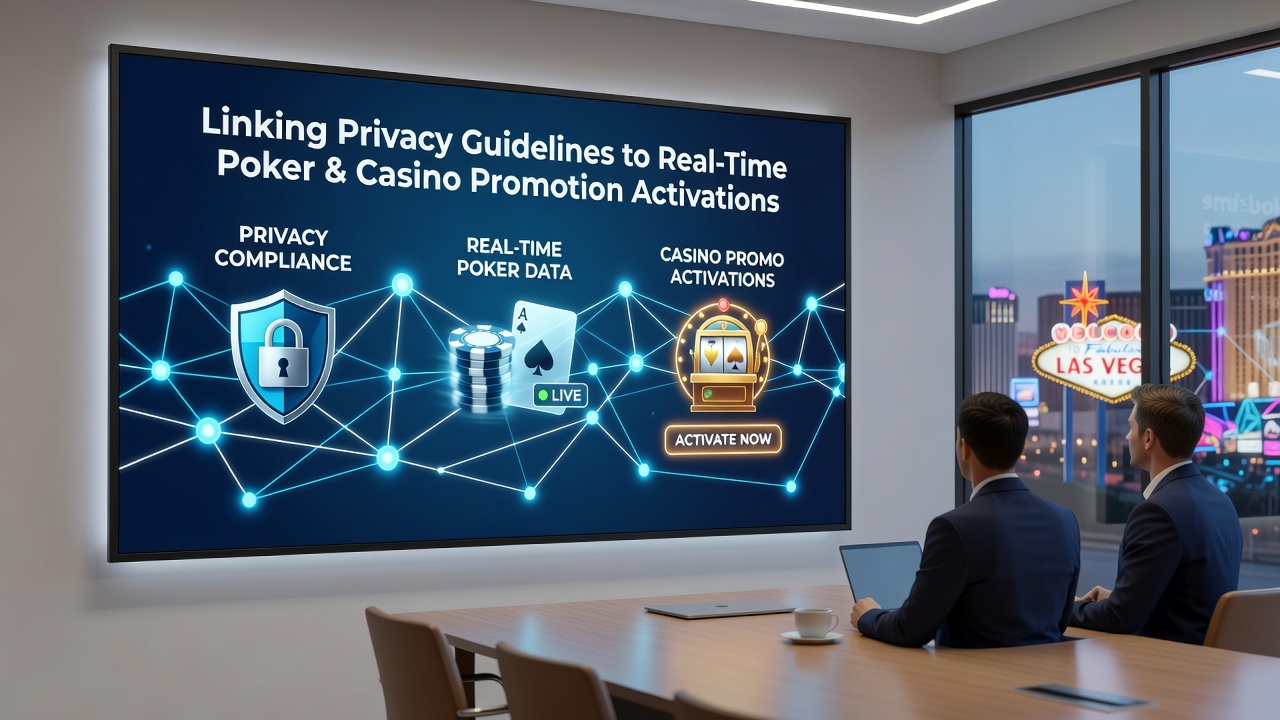
Privacy guidelines shape the way platforms handle user data during live poker sessions and casino promotion activations because operators must secure explicit consent before triggering personalized offers that rely on location tracking, spending patterns, and session history. Those who manage Austrian wagering environments often find that data protection rules require clear opt-in mechanisms at the moment a promotion activates, rather than relying on broad terms accepted weeks earlier. Researchers note that this linkage prevents unauthorized use of personal details while still allowing instant bonuses to appear on screen when a player reaches a certain hand count or table time threshold.
How Consent Mechanisms Operate in Live Environments
Real-time activations depend on continuous data streams that include bet sizes, win rates, and device identifiers, yet privacy frameworks demand that each activation request triggers a fresh consent check or references an existing one stored in an auditable log. Observers point out that systems built for Austrian platforms typically embed these checks into the same API calls that fetch live odds or table availability, which keeps the process seamless for users while satisfying regulatory audits. Data shows that when consent records are missing or outdated, promotions simply fail to load, forcing operators to pause campaigns until verification completes.
Data Pathways Between User Agreements and Promotion Triggers
Platforms route privacy preferences directly into promotion engines so that a player who restricted marketing communications never receives real-time deposit matches or tournament seat giveaways, even if the underlying game data would otherwise qualify them. Experts have observed that this routing happens through encrypted tokens passed between the account management layer and the casino floor software, reducing the risk of accidental data exposure during high-volume events like November 2026 holiday series. Figures reveal that successful implementations cut complaint volumes related to unwanted offers by aligning every activation with the most recent privacy settings recorded in the user profile.
Regulatory Influences on Real-Time Offer Delivery
European data protection standards, as outlined by the European Data Protection Board, require that any automated decision-making tied to promotions includes human oversight options, which means casino systems must log both the data used and the consent basis before an offer appears. Platforms operating across borders also reference guidelines from the Australian Gambling Research Centre when designing cross-jurisdictional campaigns, ensuring that real-time activations respect the strictest applicable privacy rule. Those who study these intersections note that the result is a layered approval process where a single promotion may draw on multiple consent records depending on the player's registered location.
Verification Protocols During Active Sessions
Live poker tables and slot banks generate continuous event data that promotion engines scan for qualifying conditions, yet each scan must first confirm that the current privacy settings still permit the use of that data for marketing. Research indicates that Austrian operators have adopted session-level tokens that expire after thirty minutes unless refreshed through an active consent signal, which prevents stale permissions from driving offers during extended play. People who monitor these systems report fewer instances of mismatched promotions because the verification step sits inside the same real-time pipeline that updates chip counts and hand histories.
November 2026 Developments and Platform Adjustments
Scheduled updates in November 2026 introduce stricter requirements for granular consent around location-based promotions, prompting operators to rebuild the links between privacy dashboards and live activation modules. Data from industry reports shows that platforms already testing these changes achieve faster compliance checks by pre-loading consent summaries into the game client before any table or slot session begins. Observers note that the adjustments also include new audit trails that record every time a privacy flag blocks a promotion, giving regulators clearer visibility into how guidelines influence day-to-day marketing activity.
Conclusion
The connection between privacy guidelines and real-time poker and casino promotion activations rests on synchronized consent records, session tokens, and auditable data flows that allow offers to appear only when current permissions permit. Operators who maintain these linkages report smoother regulatory reviews and fewer interruptions during peak periods. As platforms prepare for the November 2026 updates, the emphasis remains on embedding privacy checks directly into activation logic so that live environments continue to deliver relevant promotions without breaching established data protection standards.