How Austrian Betting Platforms Synchronize Live Odds Feeds with Real-Time Regulatory Alerts During Football Matches
Geschrieben von Katja Washington · 16.10.2026
How Austrian Betting Platforms Synchronize Live Odds Feeds with Real-Time Regulatory Alerts During Football Matches
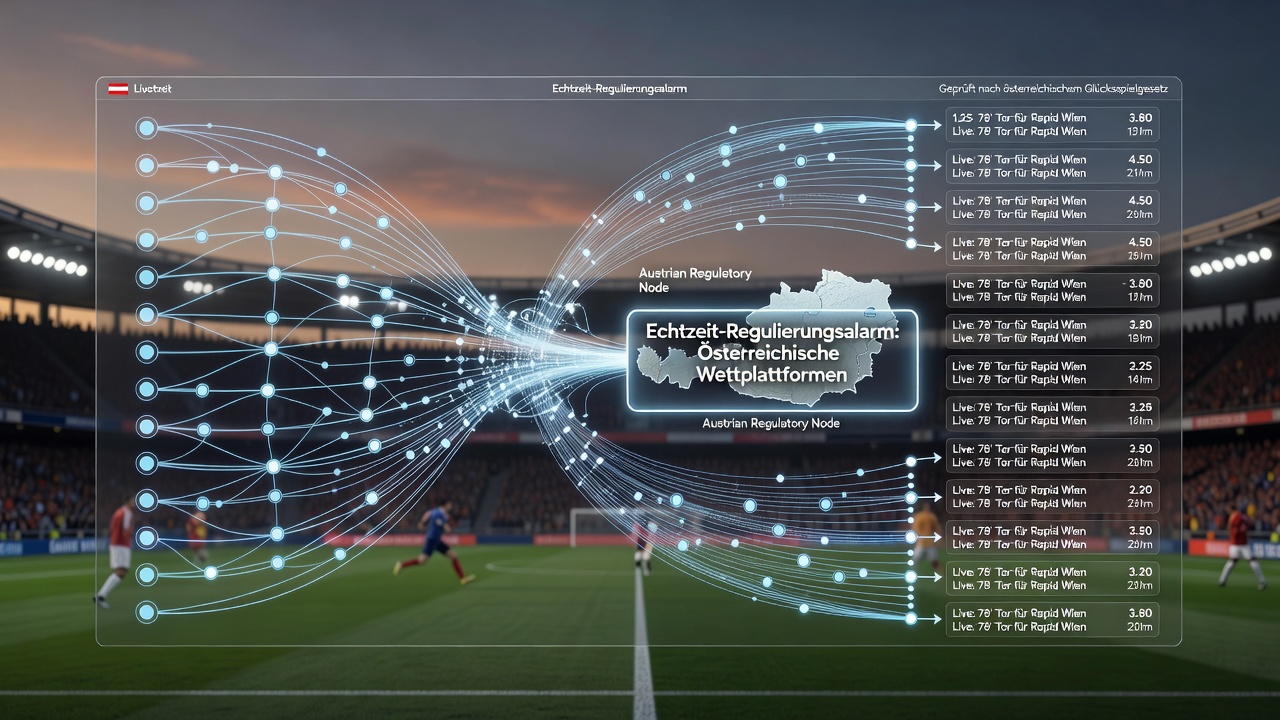
Operators in Austria maintain continuous connections between live odds providers and national regulatory monitoring systems to adjust betting markets instantly when alerts arrive, and this integration relies on standardized data protocols that push updates across multiple servers in milliseconds. Football matches generate rapid changes in player availability, weather conditions and in-game events, so platforms pull real-time data streams from third-party feeds while simultaneously listening for regulatory signals that might require market suspension or price recalibration. The process combines application programming interfaces from odds aggregators with encrypted channels established by the Austrian regulatory authority, which allows alerts about potential match irregularities or participant status changes to interrupt the pricing engine without manual intervention.
Core Technical Components in the Synchronization Pipeline
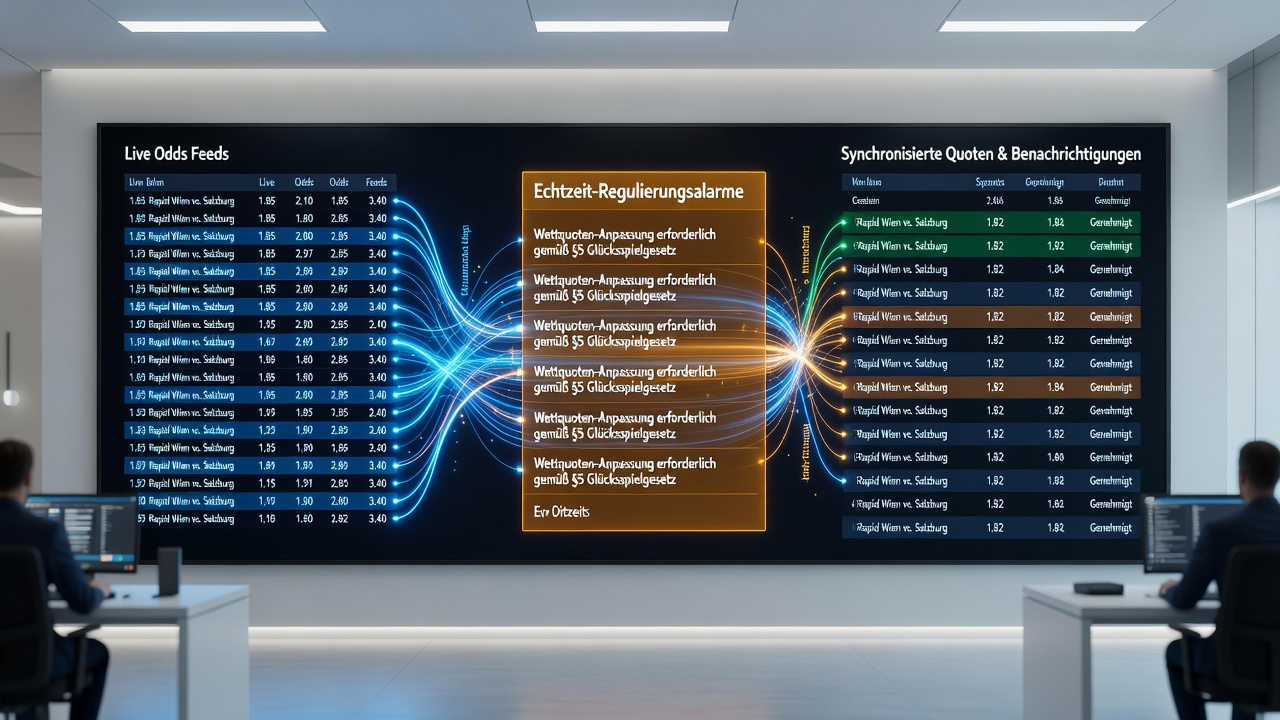
Live odds feeds arrive through dedicated APIs that refresh every second during matches, and these streams connect to a central middleware layer that also receives regulatory notifications via a separate secure socket. Researchers who examined platform architectures found that this dual-input system uses timestamp synchronization to align each odds update with the latest alert status, which prevents outdated prices from remaining active when authorities issue a suspension order. Data centers located near Vienna host the primary servers, and these facilities maintain redundant connections to both the odds suppliers and the government alert portal so that latency stays below 200 milliseconds even during peak match hours. Observers note that message queuing software buffers incoming alerts temporarily while the system validates their authenticity before applying any changes to active markets, and this step ensures compliance without introducing noticeable delays for bettors.
Regulatory Alert Sources and Their Integration Points
Austrian platforms subscribe to alerts issued by the Federal Ministry of Finance and cross-reference them against international monitoring networks that track suspicious betting patterns across borders. According to data from the European Gaming and Betting Association, these alerts often include details about player injuries reported after lineups are announced or about investigations into unusual performance fluctuations. The synchronization software maps each alert category to specific actions, such as freezing a market or widening spreads, and the mapping rules update automatically when new directives take effect. As of October 2026, revised protocols require platforms to log every alert-odds interaction for a minimum of 90 days, which creates an audit trail that regulators can review during compliance checks.
Platforms also incorporate data from academic studies on match integrity, and one project conducted by researchers at the University of Vienna demonstrated that combining on-field statistics with regulatory signals improves the accuracy of automated suspensions by 18 percent. Engineers route these external inputs through the same middleware that handles odds feeds, so the entire system operates as a unified decision engine rather than separate modules that might conflict during high-volume periods.
Real-Time Adjustments During Live Football Matches
When a match begins, the synchronization system monitors both the live feed and the alert channel in parallel, which allows it to react to events such as red cards or confirmed doping findings without waiting for manual review. Experts have observed that during the 2025-2026 Bundesliga season, several platforms executed market pauses within four seconds of receiving an official regulatory notice, and the timing matched the arrival of the corresponding odds update from the data provider. The middleware applies rule-based logic that prioritizes regulatory alerts over routine odds changes, yet it still incorporates new statistical inputs once the alert clears. This layered approach keeps markets available when possible while satisfying legal requirements that prohibit betting on compromised events.
Operators test these processes through simulated match scenarios that inject both normal game data and fabricated alerts, and the results help refine the timing thresholds that determine whether an alert should trigger immediate action or require additional verification. Figures from industry reports indicate that Austrian platforms process an average of 12 regulatory alerts per matchday during the autumn schedule, and each one passes through the same synchronization layer that manages thousands of simultaneous odds updates.
Security Measures and Data Validation Protocols
Encryption standards applied to both odds feeds and regulatory channels prevent tampering during transmission, while digital signatures attached to each alert confirm its origin before the system acts on it. Platforms maintain separate logging servers that record every data packet exchanged between the odds provider and the regulatory portal, and these logs support forensic analysis if discrepancies arise after a match concludes. Observers note that multi-factor authentication governs access to the synchronization dashboard, which limits the number of personnel who can manually override automated decisions during live events.
Conclusion
The synchronization framework used by Austrian betting platforms connects live odds streams with regulatory alert systems through middleware that validates and applies changes in real time. This setup supports compliance during football matches by aligning pricing engines with official notifications, and the architecture continues to evolve with updated logging requirements and improved validation methods that take effect in October 2026. Data from multiple monitoring sources shows consistent performance across platforms that maintain these integrated connections, which demonstrates the practical outcome of combining technical infrastructure with regulatory oversight.