Decoding Loyalty Mechanisms in Austrian Digital Table Games and Wagering Platforms
Geschrieben von Alex Schmidt · 21.8.2026
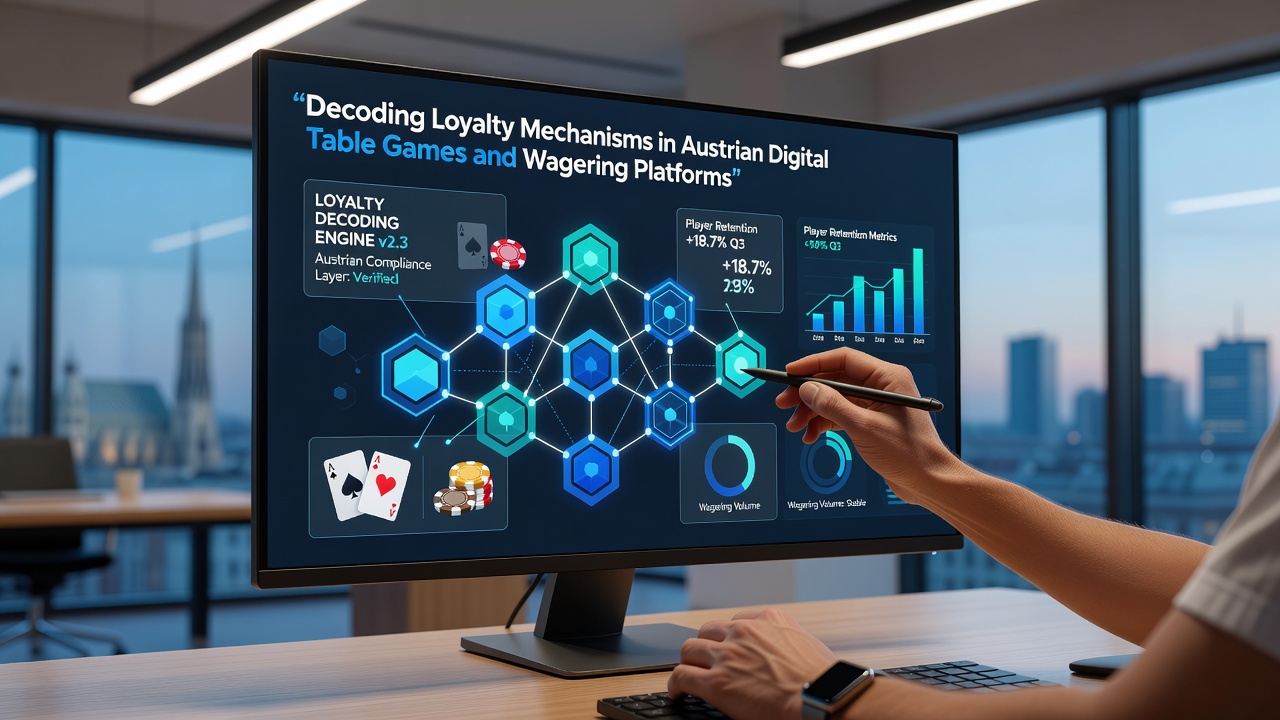
Decoding Loyalty Mechanisms in Austrian Digital Table Games and Wagering Platforms
Austrian digital table games and wagering platforms operate under the strict framework of the Glücksspielgesetz which governs how operators design and deploy loyalty mechanisms for activities such as online roulette, blackjack, and sports betting markets. These systems track player activity through centralized databases that record bets placed, games completed, and session duration while ensuring compliance with data protection standards set by national authorities. Operators integrate loyalty features directly into user accounts so that points accumulate automatically based on predefined formulas that convert wagering volume into redeemable credits or status upgrades.
Regulatory Framework Guiding Loyalty Design
The Austrian Federal Ministry of Finance oversees licensing conditions that require transparency in how loyalty rewards are calculated and communicated to users. Platforms must display terms for point expiration, redemption values, and tier advancement criteria in accessible formats, while audits verify that algorithms do not favor high-volume players in ways that breach fairness rules. Research from the European Commission on gambling market structures shows that member states including Austria have aligned certain reporting obligations around player protection metrics, and these requirements extend to loyalty data retention practices. Updates scheduled for August 2026 will introduce enhanced disclosure rules for algorithmic adjustments in reward calculations, prompting operators to prepare revised documentation ahead of the deadline.
Core Components Found in Current Systems
Most Austrian platforms structure loyalty programs around a points-based economy where each euro wagered on table games or sports markets converts into a set number of loyalty units. These units feed into tier ladders that unlock benefits such as higher withdrawal limits, personalized game invitations, and accelerated cashback percentages. Multipliers often apply during promotional windows tied to specific events like major football tournaments, while daily login streaks add bonus points that compound over consecutive weeks. Data collected by industry monitoring bodies indicates that tier progression typically requires between 5,000 and 50,000 points depending on the operator, with platinum or diamond levels granting access to dedicated account managers and exclusive tournament entries.
Technology Driving Tracking and Personalization
Backend systems rely on real-time data pipelines that process transaction logs from game servers and betting exchanges, feeding results into machine learning models that predict optimal reward timing for individual accounts. These models analyze variables such as average bet size, game type preference, and peak activity hours to determine when to surface bonus offers or tier upgrade notifications. Security protocols encrypt loyalty balances and transaction histories, while integration with national self-exclusion registers ensures that players who have opted out receive no targeted incentives. Observers note that the shift toward cloud-based architectures has allowed smaller licensed operators to match the sophistication previously available only to larger international groups.

Player Segmentation Strategies in Practice
Operators divide user bases into behavioral cohorts using metrics such as lifetime value, churn risk scores, and game variety indices, then tailor loyalty communications accordingly. High-frequency table game users might receive invitations to virtual dealer tournaments with additional point multipliers, whereas sports bettors often see rewards linked to accumulator bets or live event participation. A study conducted by researchers at the University of Sydney on international gambling loyalty trends provides comparative benchmarks that Austrian operators reference when calibrating their own segmentation models, particularly around retention rates following tier upgrades. Seasonal campaigns aligned with Austrian holidays or major sporting calendars further refine these segments by introducing limited-time point accelerators.
Redemption Pathways and Their Operational Impact
Redeemable rewards range from direct bonus funds and free spins on table games to merchandise and event tickets, each carrying distinct wagering requirements that operators must clearly state. Cashback mechanisms return a percentage of net losses as playable credits, while status perks include faster customer support response times and reduced minimum deposit thresholds. Figures published by the Canadian Institute for Health Research on gambling reward structures illustrate how transparent redemption options correlate with sustained platform engagement across regulated markets, offering Austrian operators reference points for refining their own menus without exceeding legal caps on promotional intensity.
Conclusion
Loyalty mechanisms in Austrian digital table games and wagering platforms combine regulatory oversight, algorithmic tracking, and segmented reward structures to maintain compliance while supporting user activity. As August 2026 approaches, preparations for updated transparency mandates will shape further refinements in how points and tiers are presented and audited. These systems continue to evolve through integration of new data sources and alignment with broader European standards on responsible gaming practices.