Charting Data Pathways from User Agreements into Live Poker Sessions Across Austrian Wagering Platforms
Geschrieben von Quinn Simon · 2.10.2026
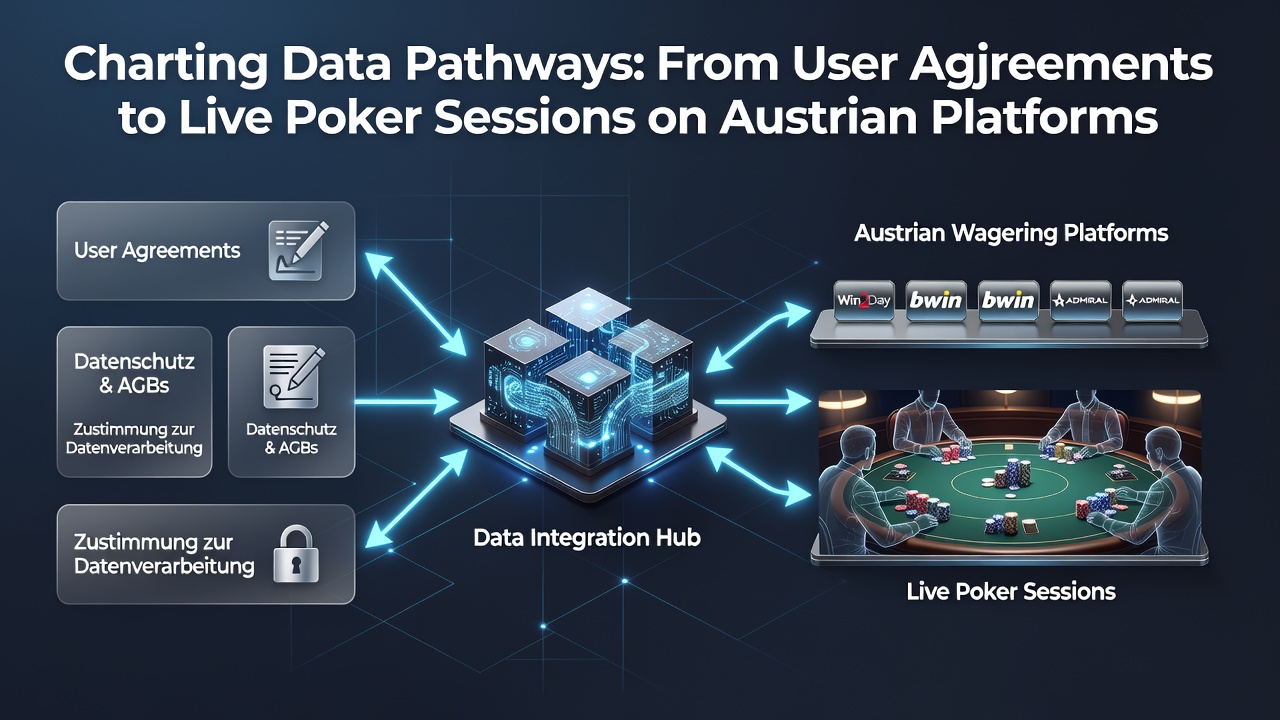
Charting Data Pathways from User Agreements into Live Poker Sessions Across Austrian Wagering Platforms
Operators in Austria collect extensive information through user agreements that establish consent for data handling before any live poker activity begins, and these agreements outline categories such as personal identifiers, financial details, and behavioral preferences that feed directly into session management systems. Data from these documents routes through secure backend processes where it supports player authentication, session monitoring, and regulatory reporting requirements set by Austrian authorities.
Initial Data Capture Through Agreements
User agreements on Austrian wagering platforms specify the types of information gathered at registration, including identity verification records and payment method details, while also defining how such data supports ongoing game operations. Researchers at institutions across the EU have documented how these clauses create structured pathways that allow operators to map consent parameters into real-time poker environments. According to reports from the European Data Protection Board, platforms must maintain clear records of data processing purposes so that information collected during signup aligns with activities like hand tracking and opponent analysis during live sessions.
Agreements often categorize data elements into tiers that determine access levels for poker software, and this structure helps ensure that only necessary details reach the live tables. Observers note that Austrian operators integrate these pathways with existing compliance frameworks under the Glücksspielgesetz, which governs how platforms handle player information across multiple game formats.
Transmission Mechanisms to Live Sessions
Once captured, data moves through encrypted channels into poker session servers where it informs elements such as table seating algorithms and risk assessment tools. Platforms connect agreement-derived profiles with session logs that record actions like bet sizing and timing patterns, creating a continuous record that operators use for both service delivery and audit trails. Studies from Canadian research centers have shown similar patterns in regulated markets where initial consent documents directly influence the granularity of data available during live dealer interactions.
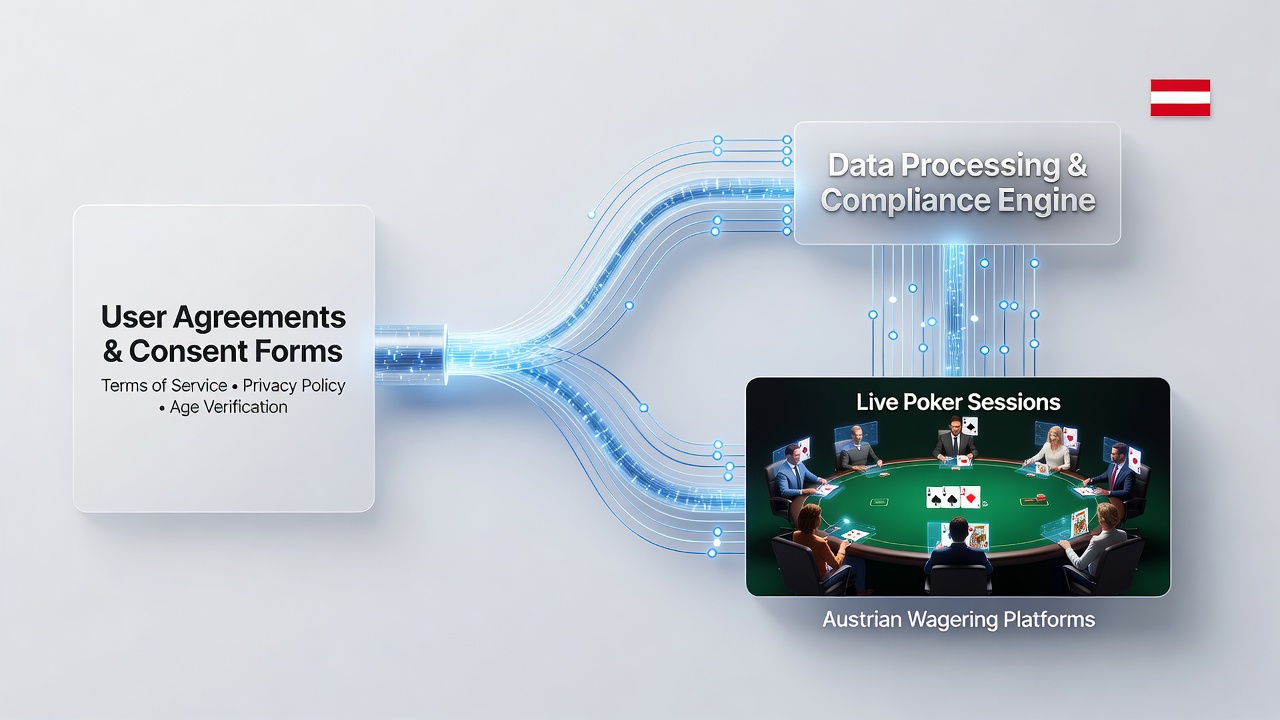
Austrian platforms employ middleware layers that translate agreement terms into session-specific permissions, allowing features such as personalized game recommendations while restricting use of sensitive details. Data indicates that these layers activate upon login and remain active throughout each poker round, updating dynamically as players engage with the interface. Figures from industry analyses reveal that such integration supports fraud detection by cross-referencing agreement-stored identifiers against live session behaviors.
Regulatory Context and October 2026 Developments
Austrian regulations require operators to demonstrate clear linkages between agreement clauses and operational data use in poker environments, with particular attention to cross-border data flows that may occur during international tournaments hosted on local platforms. In October 2026, updated reporting standards are scheduled to take effect that will require enhanced documentation of these pathways, including how consent updates propagate from agreements into active sessions. Academic papers from Australian universities have examined comparable timelines in other jurisdictions and found that such changes typically lead to refined data mapping protocols across table game offerings.
Platforms must also align with EU-wide data protection rules that intersect with national gambling statutes, creating dual oversight that shapes how information travels from signup documents into poker software. Those who have reviewed compliance filings note that Austrian operators maintain audit logs that trace each data element from its origin in user agreements through to its application in live gameplay metrics.
Practical Implementation Examples
One documented case involves an Austrian platform that links agreement-based location data with geofencing tools active during live poker sessions, ensuring regulatory boundaries are observed in real time. Another example shows how payment history from agreements informs deposit limit enforcement mechanisms that activate automatically when players enter poker lobbies. Research indicates that these implementations rely on standardized data schemas developed through collaboration between operators and oversight bodies.
Industry organizations such as the European Gaming and Betting Association have published guidelines that address data pathway documentation, helping platforms maintain consistency across different poker variants. These resources emphasize the need for transparent mapping that allows regulators to verify alignment between stated agreement purposes and actual session usage.
Conclusion
Data pathways originating in user agreements continue to shape the operational landscape of live poker on Austrian platforms through structured transmission, regulatory alignment, and technical integration. As October 2026 approaches, operators are preparing documentation updates that will further clarify these connections while meeting evolving standards. Evidence from multiple regions demonstrates that such systems support both compliance and service functionality when maintained with precision.